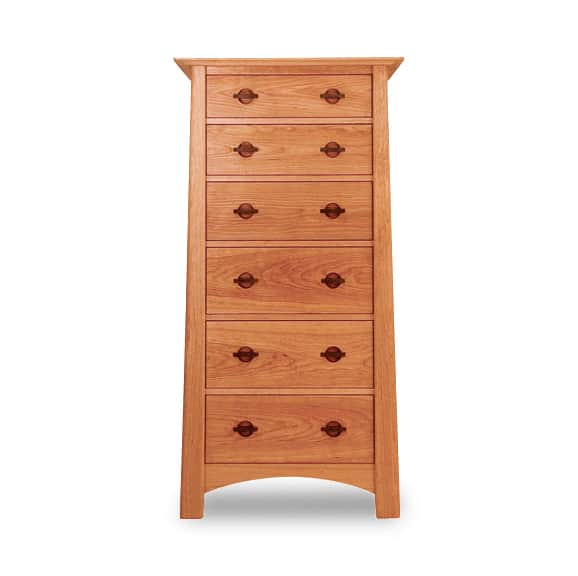
In a world where function meets fashion, the furniture you choose is a narrative woven through grain, finish, and form. Rosehill Furniture—an informational beacon celebrating design inspiration, materials, and craft—invites you to consider not just what a piece looks like, but what it endures. This guide decodes the language of wood and finish, translating technical choices into a tactile, emotionally resonant experience.
1) Wood Species: Grain, Hardness, and Stability
Wood species carry personality as distinct as a signature. The grain pattern, density, and mineral content all influence how a piece will age under daily use. For mid-century silhouettes and contemporary furnishings alike, a few species recur as timeless favorites—each offering a different mood, memory, and level of resilience.
Oak, widely celebrated for its pronounced grain and enduring strength, evokes a sense of quiet grandeur. Its closed-grain texture provides a forgiving surface that accepts finishes gracefully, aging with a refined patina over decades. Teak, adored for its natural oils and stability, resists warping and maintains a warm, honeyed glow even as sunlight graces its surface. Walnut brings depth and sophistication; its rich browns deepen with age, revealing a luxurious character that complements both classic and modern ensembles.
For lighter, more contemporary looks, maple and beech offer clean, pale canvases that highlight geometry and color blocking. Maple, with its fine grain and exceptional durability, stands up to daily wear while staying visually crisp. Beech provides a smooth, uniform texture and a versatile backdrop for upholstered contrasts.
2) Veneers vs. Solid Wood: When to Choose Which
The veneer conversation is often misperceived as price-driven or casual, but it is fundamentally about balance. Solid wood pieces celebrate the physics of growth—growth rings, knots, and the subtle irregularities that tell a wood’s story. Veneers, by contrast, offer architectural calm, a controlled pattern, and a lower exposure to seasonal movement.
When selecting a sofa, bed, or storage piece, consider how a surface will be used. A solid wood frame can be the long-term backbone of a stable seating platform, offering repairability and the chance to re-sand, re-stain, or repurpose a surface as tastes evolve. Veneers are ideal for large, contemporary forms where a single flawless surface is desired, or where cost considerations demand a lighter timber footprint. Veneer sheets allow designers to achieve rare species or exotic textures at a more accessible scale, while maintaining structural integrity through a sound core.
In high-use environments—think coffee tables, dining tables, or family-room seating—combine solid wood components with veneer surfaces where appropriate. This hybrid approach marries the best of both worlds: durability where it matters most, and the refined, uniform appearances veneers can deliver.
3) Finishes: Oil, Wax, Polyurethane, and Water-Based Options
Finishes do more than seal wood; they shape mood, tactility, and daily care. Each category—oil, wax, polyurethane, and water-based finishes—carries a distinct personality, from the sun-warmed glow of oil to the resilient, protective film of modern polyurethane.
- Oil finishes penetrate the surface, highlighting grain and depth. They age gracefully, developing a subtle luster with use. Oils require periodic reapplication to maintain their barrier, inviting a tactile familiarity that many designers adore.
- Wax finishes offer a low-sheen, velvety feel and are often paired with oil for a softer, hands-on patina. Wax can be maintenance-heavy, needing regular buffing to retain the bloom.
- Polyurethane provides robust protection against spills and scratches. Waterborne polyurethanes dry clear and resist amber-ing over time. They are favored for their even film, easy maintenance, and suitability for busy households.
- Water-based finishes strike a balance between environmental considerations and performance. They cure quickly, with low odor, ideal for spaces where renovation tempo matters.
The choice of finish should be guided by how a piece will be used, the climate, and the lifestyle within the room. For dining chairs and tables, a durable film finish may be preferred; for living room storage and case goods, an oil or oil+wax combination can warm the surface while inviting tactile engagement.
4) Finishing Touches: Mood, Feel, and Maintenance
Finishes set the mood. A warm, amber-toned finish can make wood feel intimate and timeless, while a cooler, natural finish reads modern and crisp. The mood should align with the intended space: a serene bedroom might benefit from a soft, low-sheen oil, whereas a high-traffic living room could lean toward a durable, low-maintenance polyurethane.
Maintenance is a language of care. For oil finishes, embrace a gentle schedule of re-oiling to preserve color and depth. Waxed surfaces respond to regular polishing with a soft cloth, maintaining that gentle radiance. For film finishes, routine cleaning with a microfiber cloth and avoidance of harsh cleaners keeps the surface pristine. In both cases, minimize heat contact, direct sunlight, and moisture exposure to maintain dimensional stability and color fidelity.
5) Practical Care Tips: Extending Life Between Renovations
- Use coasters, placemats, and protective felt pads on all surfaces that contact items or dishware.
- Address spills promptly with a soft cloth; for oil-based finishes, opt for a light, residue-free solvent if recommended by the finish manufacturer.
- Avoid placing wood furniture near heat sources or in direct sunlight for extended periods to prevent warping and color shift.
- Dust regularly with a soft, lint-free cloth to prevent abrasion of the surface finish.
- Rotate the placement of rugs and upholstery to ensure even exposure to light and wear.
For those who cherish the tactile intimacy of wood, the rituals of care become part of the furniture’s ongoing story. A well-chosen finish does not merely protect; it narrates a relationship between object and inhabitant—an evolving dialogue about quality, time, and taste.
6) Quick-Start Comparison: Solid Wood vs. Veneer for Common Pieces
Dining tables, sofas, beds, and storage units each benefit from a material strategy tailored to use, environment, and budget.
- Sofas and chairs: Solid wood frames with veneered panels can offer a balanced approach, combining strength with refined faces. For upholstery-heavy pieces, focus on the joinery and frame integrity; finish choices impact the surface under daily use.
- Beds: A solid wood bed frame prioritizes longevity and design integrity. Veneer-covered panels can reduce weight and cost but should be paired with a robust internal structure.
- Storage: Case goods benefit from veneer for seamless, consistent surfaces, but ensure the core remains stable (e.g., plywood or solid features) to resist warping with humidity changes.
In all cases, opt for finishes that reflect your climate and lifestyle, then layer in your personal sense of style with color, texture, and hardware choices.
7) Designer Insight: Timeless Design Across Contexts
The enduring appeal of well-made furniture lies in its capacity to age with grace. Materials that honor the wood’s natural story—whether through selective oiling, careful wax techniques, or a resilient film finish—craft a finish that wears like a couture gown: beautiful, durable, and distinct to the wearer’s life.
Rosehill Furniture’s philosophy emphasizes sustainability, provenance, and craftsmanship. The platform invites readers to engage with historical contexts and modern practice alike, appreciating how material choices can express both heritage and forward-thinking design.
Glossary and Quick References
A concise glossary helps you translate material language into confident purchasing decisions.
- Grain: The visible pattern formed by the growth rings of a tree.
- Hardness: A wood’s resistance to denting and wear, often linked to density and structure.
- Finish: The outer coating or treatment applied to wood surfaces to protect and ornament.
- Veneer: A thin sheet of wood applied to a core panel to achieve appearance with less weight and cost.